Sunday, October 30, 2016

Apple’s Touch Bar and the future of (sucky) Enterprise Software Workflow

MacBook Pro’s new Touch Bar, a touch-screen strip at the top of the keyboard that changes to display functions specific to the app being used, is more than a texting tool with emojis but rather how millennials will redefine enterprise software and workflow.

Custom developed Touch Bar functions will change enterprise software experience.

For healthcare:
  • Physicians placing a discharge order with a function key that displays automatically when certain conditions (in the Electronic Medical Record) are met
  • Lab staff using a function key to notify physicians and nurses for critical lab results
This is not to say Apple’s Touch Bar (or others that will develop similar functions) is anything radical. This is more about the beginning of intelligent “clustering of actions” into smart functions. These Intelligent Action Clusters© will replace simple functions like “Ctrl+C”, “Alt+Tab” to complex workflow functions.

Edgility's Cognitive Healthcare platform has plans for “Touch Bar” and the broader Intelligent Action Clusters©.

Tuesday, June 28, 2016

Weapon Against Healthcare Fraud – The Past, Present and the Future

Fight against fraud in healthcare has a new weapon – Data. While we have all known about weapon, we are now seeing convictions and charges enabled by the power of predictive analytics, trend evaluation and modeling.  But the opportunity for fraud prevention is much larger than these tools. The future presents us a great opportunity to take advantage of the technology advances to fight fraud in this $3 Trillion healthcare economy.   

The Past:
It was reported in 2010 that, when it comes to government fraud, healthcare has topped defense. Since that time Strike Force prosecutors have filed more than 963 cases charging more than 2,097 defendants who collectively billed the Medicare program more than $6.5 billion; 1,443 defendants pleaded guilty and 191 others were convicted in jury trials; and 1,197 defendants were sentenced to imprisonment for an average term of approximately 47 months.
Recent headlines:
June 2015 -  National Medicare Fraud Takedown Results in Charges Against 243 Individuals for Approximately $712 Million in False Billing – Click here
June 2016 - 300 Charged In Largest Takedown Of Medicare, Medicaid Fraud In U.S. History – Click here
While this is great progress, the Government Accountability Office, has called for "fundamental improvements" to curb overbilling by the health plans, which are paying more than $160 billion annually. The GAO also said that the Centers for Medicare and Medicare Services have spent about $117 million on these audits, while, so far, recouping just $14 million. As reported in NPR, CMS officials counter that the mere threat of audits has caused health plans to voluntarily return approximately $650 million in overpayments – and that upcoming audits will recover tens of millions more.
This raises 2 questions:
1.      Why are these audits so expensive? and
2.      What can be done to make these effective to rout out fraud?
Healthcare, while maturing in technology adoption, is still manual with processes that are steeped in historic burden. This makes the audit process very manual and very expensive.
The Present:
The largest fraud takedown in U.S. history is clear evidence that data is playing a big role in government. It is a testament to the Office of Inspector General’s (OIG) continued enhancement of data analysis capabilities for detecting health care fraud, including tools that allow for complex data analysis.  Health and Human Service (HHS) OIG continues to use data analysis, predictive analytics, trend evaluation, and modeling approaches to better analyze and target oversight of HHS programs. CMS uses the Fraud Prevention System (FPS) on all Medicare fee-for-service claims on a streaming, national basis.  Similar to the fraud detection technology used by credit card companies, FPS applies predictive analytics to claims before making payments in order to identify aberrant and suspicious billing patterns.  
The Future:
There needs to be a technology enabled framework to fight fraud, that allows for analyzing historic and real-time transactional data, creates “situational awareness”, detect fraudulent patterns and prevent fraud. Rather than creating pointed, yet disjointed, analytics solutions that do transaction by transaction analysis, Real-time Fraud Prevention and Detection (RFPD) should be thought of as a platform upon which organizations can build analytics and most importantly let loose some of the advancements in Machine Learning and AI. @IBM, @Microsoft and @AWS are all leading the ML revolution but creating meaningful long term investments are few and far between.

In conclusion, we have a clearly identified need - Medicare, Medicaid and other healthcare related fraud. We also have CMS and the DoJ serious on cracking down these frauds. At this point, it is critical to make the right investments in technology that will cast a wider net to catch a lot more of these frauds. Applying a well thought out platform and framework that compliments state-of-the-art fraud detection technology will only add to the efficiency and effectiveness of fighting health care fraud.

Sunday, April 5, 2015

Board Level Technology Oversight

Background

Over the last 10 years, Information technology investments have grown tremendously. The chart below shows that the capital expenditure for equipment and software outpaced investments in structures by $200 Billion.

 
The following chart shows the breakdown of Information and Communication Technology expenditure by industry. In 2009, excluding the Information industry, Finance and Insurance, Manufacturing and Healthcare took the top 3 spots for technology related capital expenditures.


Discussion:
The advancements in technology are fueling hopes for new products, increasing productivity and creating market differentiators. National Association of Corporate Directors indicates that boards should get more involved and create oversight around strategy development, execution, course correction, and related information and control systems. Considering the amount of investments going into technology it is imperative that boards consider strategic oversight over technology to elevate performance, gain foresight and instill confidence. 
Just as audit, compensation, strategy and risk, technology are entrenched in every business, it is critical to showcase technology visibility to the board. Having a board with a deep understanding of technology and an appreciation for its strategic value can be huge, according to Rob Carter, FedEx CIO and executive vice president of FedEx Information Services.
As Wall Street Journal points out,
  • Boards are starting to pay attention to “Tech Governance”
  • Only 5.2% of public companies have tech committees (but trending upward)
  • Morgan Stanley’s Tech Committee focuses on both offensive and defensive strategies 
 
What should board governance focus on?
1.      Technology Readiness - This will cater to the board's strategic vision of growing the business/service/offering and the associated technology readiness.
2.      Information Security Assessment - This is fast becoming a major hurdle. All industries are faced with it.
3.      Technology investments – Valuation of investment performance
Once the basics are covered the board governance can certainly focus on a 5 year technology roadmap that is business and market specific. The ultimate aspiration should be to have a technology "intensity score" as a dial that can be monitored by the entire board. 

Thursday, October 9, 2014

I2W (Illness to Wellness) Technology - Continuum


Background

Never before has the healthcare industry witnessed such a rapid and profound increase and diversity in technologies. Fueled by federal and state governments’ quest to manage costs (Affordable), incorporate the underserved - who are often the most sick, and the subsequent drive toward best practices such as evidenced-based medicine (Accountable) to the explosion of consumer technologies and platforms such as Fitbits©, Health kit by Apple and Healthcare Platform by Samsung, the continuum of healthcare products is vibrant if not overwhelming. Healthcare delivery systems of all sizes, the healthcare insurance industry and governments at every level are investing heavily in information technologies to meet government directives and to enhance the patients experience in an increasingly competitive marketplace.


Coordinating the fragmentation of provider, facility, payer, regulator and personal technology is the challenge for everyone in healthcare. Furthermore, the emphasis is changing from reimbursement to caring for illness, to reimbursement for maintaining wellness and preventative care.


In addition to technology overall, the adoption of wellness technologies are exploding. Moreover, while consumer adoption of these technologies is real and transformative, there are forces that will bolster adoption into the healthcare culture:

1.      Patient Satisfaction

Patients expect and demand technology become part of their care and their care delivery system. From self-service online appointments to advanced robotics for clinical procedures, customers perceive technology as a differentiator. For healthcare systems, technology is mandatory to stay relevant.

2.      Newer Paradigm

Hospitals, the traditional acute care centers, are under pressure to change the model from “fee for service” to “population management”. (Market segmentation?) Encounter-based technology must shift to population-centric (read: patient centric) technologies.

While this change happens slowly, smart organization are utilizing technology to lower length of stay (LOS), readmissions, etc.
 
 
This article contemplates never models that we need to pay attention to, Consumerization (of healthcare) which is going to demand that the industry focuses on wellness.


Challenge:

Hospitals want to maximize value from the acute care settings before the reimbursement model changes; Insurance companies want to retain the customer base and technology companies want to sell consumer devices. At a macro level, these are powerful forces, but without a patient centric platform we are heading toward an environment where none of these very powerful and meaningful technologies can be taken advantage because of a lack of “a platform” or “a continuum” for the patients/customer.
 

Solution:

In this emerging environment, the aware organization can visualize and apply technology as an integral partner in a patient’s life – from wellness to illness and back to wellness! The strategy is to develop a platform that allows anyone to traverse this continuum using technology - let’s call it the “Illness-to-wellness technology” continuum.

Illness to Wellness Technology Continuum

To illustrate this concept, figure 1 highlights “technology” encounters (listed vertically) along the illness to wellness continuum. Customers interact within this continuum in 4 specific groupings listed across the top: Admitted Patient, Patient, Member of Patient Population, Member of General Population.


Figure 1

Beginning at the left and moving along the continuum to the right, we identify four major categories

·        Admitted Patient

·        Patient

·        Member of  a Patient Population (may be more than one)

·        Member of General Population

Admitted Patients will use in-room technologies to request services, ask questions, receive responses, provide ‘live' feedback – in short, engage in their own care. Patient-engagement technology is complemented by connecting the care giver to the patient primarily through the application of electronic medical records (EMR) technologies, facilitating and enhancing communication between care giver, patient and multiple hospital systems such as lab, radiology and pathology. The care-giver continuum broadens when technologies such as  eICU/eConsults are incorporated for enhanced outcomes management and moves the continuum to the home.


This also accommodates for all interactions associated with being a patient (ambulatory or inpatient), like consent documentation, scheduling, payment and registration. 


Because there are incentives to keep patients out of the most expensive acute care setting – as we move right along the continuum - the patient population must be cared for proactively through technology such as e-visits, vaccination reminders and other disease management technologies.  Effectively engaging, attracting and caring for the general population into the wellness pool becomes critical for hospital systems. Engaging in social media, integrating consumer devices in personal and enterprise EMR’s play an active role in keeping them healthy.


As public and private payment models evolve toward a covered-life (defined covered life) paradigm, engaging the general population to keep them healthy becomes increasingly critical.


 There is tremendous interest in the Medicare payment data (http://www.cms.gov/Research-Statistics-Data-and-Systems/Statistics-Trends-and-Reports/Medicare-Provider-Charge-Data/Physician-and-Other-Supplier.html) that is released by the Centers for Medicare & Medicaid Services. Software applications are being developed to compare costs and outcomes that will expose “bargains” (or value). This will be yet another disrupter that is part of this continuum.


Conclusion:

The goal is to keep the population healthy and help the ill move towards wellness in this continuum. Technology plays a powerful role, a modality, to shepherd one from illness to wellness. Understanding the  Illness to Wellness Continuum is critical to ensuring technologies are meaningfully integrated and better yet - exploited to provide the value we are all expecting to see in healthcare – which is already leading to consumerization of healthcare.

Thursday, October 31, 2013

My Experience with Healthcare.gov

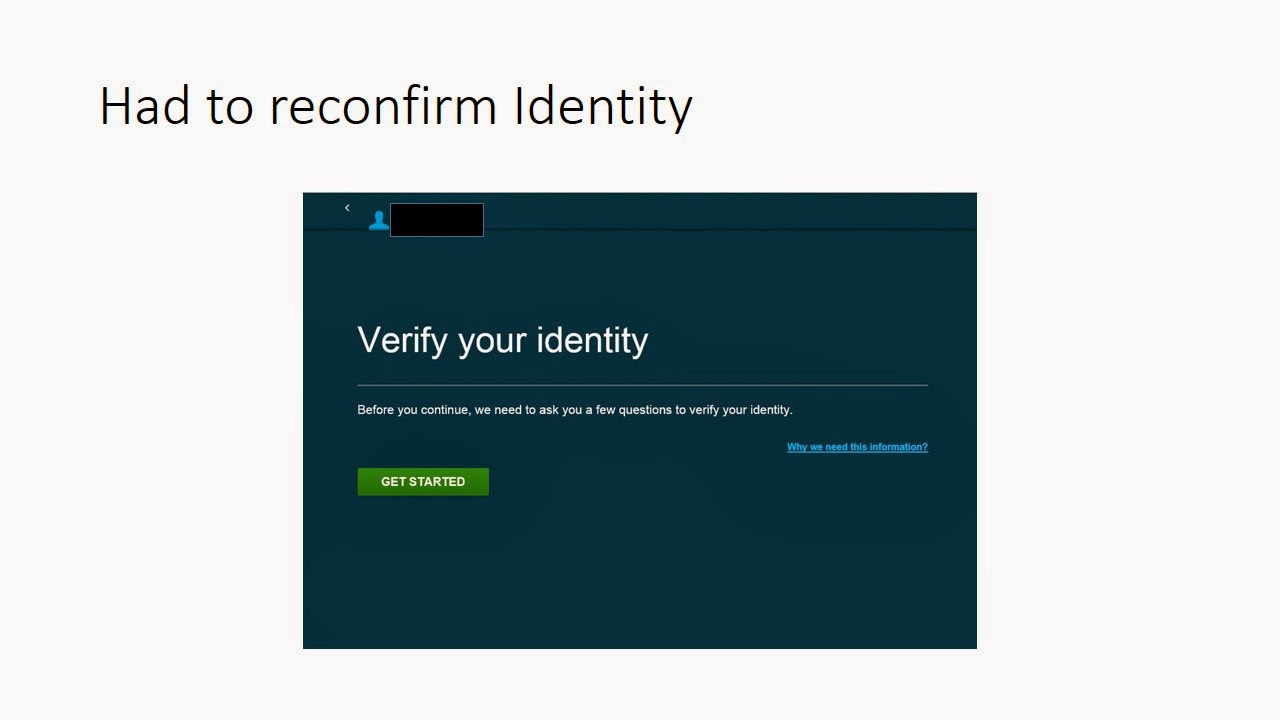
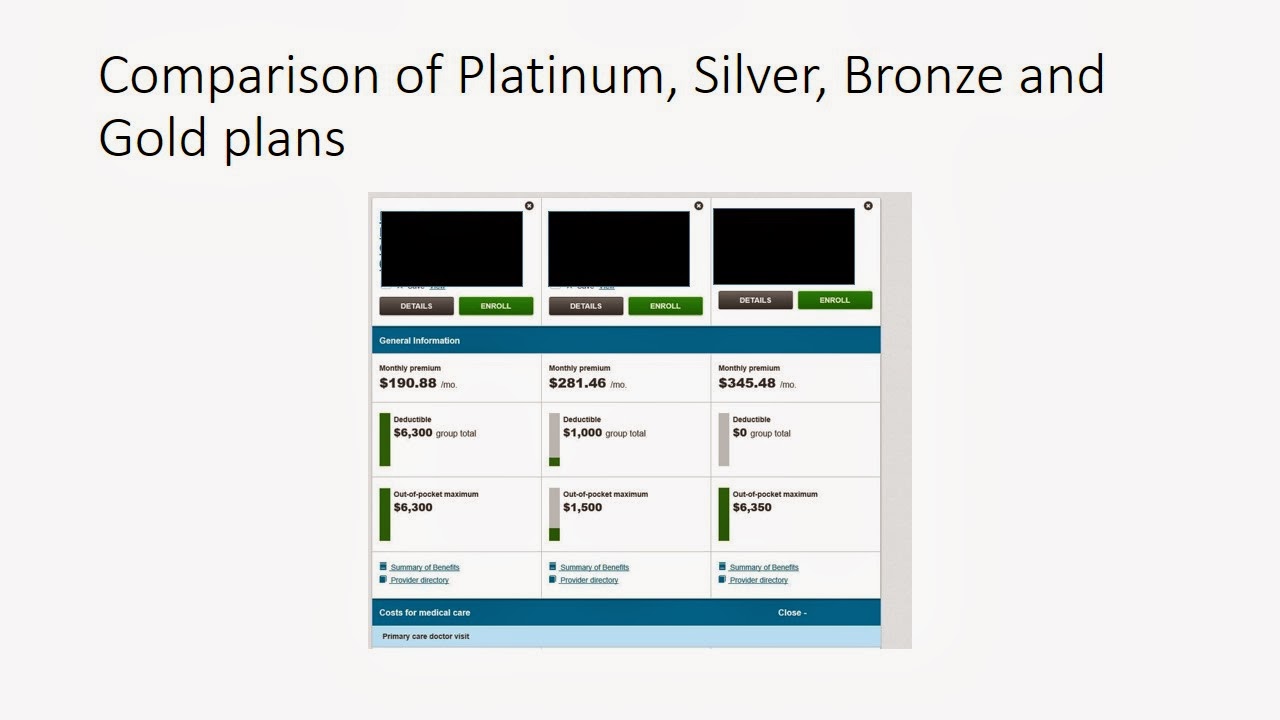
Being a technology focused healthcare professional who is also a consumer of healthcare, I wanted to have a first hand experience of how healthcare.gov is set up/work.
 
I had a change to create a login and navigate all the way into the healthcare.gov website. I took screen shots along the way to document what it looked and felt like. I tried the very first day and a few other times since then but did not go very far. Today, I made it through all the way.

This is not a blog about the politics or the law or the issues with the roll out. This is my experience with the website and the product.

I made a quick document with all that information - Attached to this post.


Thursday, May 2, 2013

Social media – A 4 step tool!


It has baffled me how many webinars and research articles come out that discuss “making social media work for you”. So here is one more. But, I want to give a tool, that can be applied, rather than just talk about “social media”.
I am laying out a simple quadrant that will help you and your institution, small or large, come up with a workable plan for social media. This is a tool that could be applied to an individual as well. From a handyman to a healthcare institution, this could be used as a starting point.

Step 1:
List what type of engagement you are trying to get along the “x axis”.

Step 2:

List who you are trying to reach along the “y axis” – Audience.

The picture  gives you an example that shows a starting point for a hospital (or any other organization) 


Step 3:
Fill the quadrants with goals that fall under the cell. In the picture above, you will see Ambulatory marketing falling under “patient and patient family (audience) and informational outreach (type of engagement)”

Step 4:
The final step is to identify the technologies that will be used to accomplish the appropriate need identified in step 3. See picture that clearly shows what technology to use to accomplish specific goals. In some cases, it lists the “success” models that we could emulate, like Khan Academy.


Using this model, helps you have a meaningful conversation with the marketing department and help navigate the technologies meaningfully, rather than starting with “OK, now we have Pinterest, what are we doing with it?”.

Friday, April 12, 2013

Taking the ambiguity out of enterprise architecture


I have been in a lot of discussions lately about the framework, structure and functionality of an EA program. While it has been well defined and documented, there is a lack of basic reasoning why an effort towards EA should be made. Many technology shops already do that, even if there is no formal structure in place.

Here are the 4 cores of structures to be in place to build a credible EA program.  

1.       Intent: Start with “why”
The first step towards getting the EA program is to have a strong intent of what problem, vision, strategy or a new product line you are trying to accomplish.

You use this stage to define the
-          Motive,
-          Agenda and
-          Behavior that you expect from this EA effort.

Example: If the intent is to solve physician communication, you start with the intent on what kind of physician communication issues you are trying to solve. You define the motives behind the need, such as better peer to peer communication, nursing to physician communication etc.

You can further this by understanding the various agendas in play. What is the “agenda” that the physicians have in the need for communication and how does the nursing staff’s agenda match the physician expectation.

The last piece is understanding the behavior of the parties that we are trying to serve. In this example, we know physicians, in general, prefer not to have the contacts published and do not like carrying multiple devices. With a deep awareness of the intent, you are off to a good start towards setting up a working EA model.

2.       Integrity: Plan for congruence

The second step is to use the outputs from step 1 and lay out a well-integrated plan that is rooted in sound principles that acknowledges technology, process and people to resolve the issue.

Example: To continue the physician communication example, it is critical to have consistency that can be demonstrated and reproduced, with respect to technology and process, so the soundness of the plan can be repeated for all aspects of communication, be it nursing or physicians or administrators. This kind of integrity to the process will help drive the technology vision. Currently many of the “strategies” are driven by the product or vendor. While those are both important, without integrity and clarity in vision, most of these products remain as products and does not help you form a strong EA plan.

3.
      
Capabilities: Relevance to the intent


The third step is a feedback to step 1. A very capable plan, architecture, technology and strategy inspires confidence. This capability drives the capacity to produce and accomplish the “intent” – with the right talent, skills, expectation, tools and even behavior.

Example: Be it physicians or anyone else that is looking for a solution, your ability to demonstrate and communicate the capabilities of the architecture is going to drive the acceptance of the solution. This is the first stage where “products” should be studied and analyzed.

4.       Results: Create a track record

Like everything else, results matter. They matter enormously to the credibility of the EA program. People evaluate the results and equate it to the strategic over lay. So creating a strong EA program will eventually be “discovered” because of the results it produces and not because we have an EA program.

As a final note to the example, have a clear understanding of the problem (need for instant communication and call management) – Intent; proposing a well integrated plan (communication with other physicians, nurses and integration to your patient list) – Integrity; clear execution of the tools and processes to enable better communication (audit, secure directory) – Capability; will ultimately lead to better measured results that can be equated to the success of the EA program.

So, rather than worrying about the “EA Program” focus on the 4 steps and the outcome will be a successful EA program.